
Have you ever wondered if the common button mushroom is a decomposer? Whether you’re a nature enthusiast, a professional in the culinary industry, or just an average person looking for nutritional benefits, you’ll find the answer here. This article will explore the fascinating world of button mushrooms and how they work as decomposers in the natural cycle of decomposition. We’ll also look at examples of how these mushrooms help in decomposition, their impact on our environment, culinary uses, and nutritional value. So, get ready to discover the answer to the question: Is button mushroom a decomposer?
Table of Contents
Short Answer
Yes, button mushrooms are decomposers.
They are saprophytic fungi, meaning they feed on dead and decaying organic matter.
They help break down the complex molecules in dead matter so the nutrients can be released back into the soil.
This is an important part of the ecological cycle and helps to maintain soil fertility.
What Are Button Mushrooms?
Button mushrooms are a type of fungi that are edible and can be found in many parts of the world.
They are a popular ingredient in many dishes, adding a savory flavor and meaty texture.
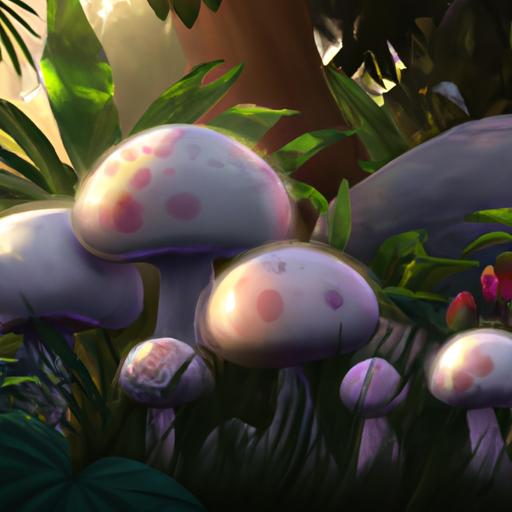
Button mushrooms have a white, round cap and a short stem.
They are usually found growing in clusters in the wild.
Button mushrooms have a long history of being used for medicinal purposes.
They are believed to have anti-inflammatory and antioxidant properties, and are even used to treat certain illnesses.
But did you know that button mushrooms are more than just a tasty addition to your favorite dish? They are also important decomposers in the environment.
As decomposers, button mushrooms break down organic matter such as fallen leaves, dead trees, and other plant material.
This process helps to return nutrients to the soil, allowing for the growth of other plants and organisms.
In addition, button mushrooms are also predators, consuming insects and other small animals.
This makes them an important part of the natural cycle of decomposition in the environment.
How Do Button Mushrooms Work as Decomposers?

Button mushrooms are a unique type of fungi known for their decomposition capabilities.
They are able to break down organic matter, such as fallen leaves, dead trees, and other plant material, and also consume smaller insects and animals.
Through this process, button mushrooms are able to help return essential nutrients to the soil.
But how do button mushrooms work as decomposers? It all starts with the mushroom’s mycelium.
Mycelium is a web-like network of small filaments and cells that are found in soil and other organic matter.
When button mushrooms come into contact with mycelium, they are able to break down the organic matter through a process called lignin degradation.
This process involves the breaking down of lignin, a complex molecule found in the cell walls of plants.
Button mushrooms are also able to break down cellulose, another complex molecule found in plant cell walls.
This process is known as cellulose degradation, and it helps to further break down the organic matter into smaller pieces.
This process also helps to release essential nutrients such as nitrogen, phosphorous, and potassium, which are then returned to the soil.
Not only do button mushrooms break down organic matter, but they also consume insects and other small animals.
This helps to further break down the material and return essential nutrients to the soil.
This consumption process is known as predation, and it helps to ensure that the nutrients are returned to the soil in an efficient manner.
Thanks to their decomposition abilities, button mushrooms are also a popular ingredient in many dishes.
They are a great source of protein, vitamins, minerals, and other essential nutrients.
In conclusion, button mushrooms are an important part of the natural cycle of decomposition.
Thanks to their ability to break down organic matter and consume small animals, they help to return essential nutrients to the soil.
Button mushrooms are also a popular ingredient in many dishes, making them a great source of nutrition for humans.
The Role of Button Mushrooms in the Natural Cycle of Decomposition
Button mushrooms are an important part of the natural cycle of decomposition.
This cycle is essential for maintaining a healthy ecosystem, as it returns nutrients to the soil that are then used by plants.
Decomposition is the process by which organic matter is broken down into its component parts.
Button mushrooms are both decomposers and predators, which means they break down organic matter such as fallen leaves, dead trees, and other plant material, and also consume insects and other small animals.
Button mushrooms have a special role in the decomposition process.
They secrete enzymes that help break down the organic matter, releasing nutrients back into the soil.
This process helps to create a more nutrient-rich soil, which is essential for plant growth.
Button mushrooms also consume small insects and animals, which helps to control their population and prevent them from becoming overabundant.
Button mushrooms are an essential part of the cycle of decomposition, and they are a popular ingredient in many dishes.
Their flavor and texture make them ideal for soups, stews, and other dishes.
They can also be used in salads, pizzas, and other recipes.
Thanks to their decomposition abilities, button mushrooms are also an important part of the natural cycle of decomposition, helping to keep the ecosystem in balance.
Examples of How Button Mushrooms Help in Decomposition

Button mushrooms are a type of fungi that are both decomposers and predators, making them an important part of the natural cycle of decomposition.
As decomposers, they help to break down organic matter such as fallen leaves, dead trees, and other plant material.
In this way, they help to recycle nutrients back into the soil, which is vital for overall plant health.
In addition to breaking down organic materials, button mushrooms also help to consume insects and other small animals.
This helps to further break down organic matter and return nutrients to the soil.
By consuming small animals, button mushrooms also help to keep insect populations in check, reducing the spread of diseases and other health risks.
Button mushrooms also provide a number of other benefits when it comes to decomposition.
For example, their mycelium (the root-like structure of mushrooms) helps to aerate the soil, allowing air and water to reach deeper into the ground.
This helps to further break down organic matter and return vital nutrients to the soil.
Lastly, button mushrooms are a popular ingredient in many dishes.
This is largely due to their decomposition abilities, as they help to break down organic matter and return nutrients to the soil.
As a result, button mushrooms are an important part of the natural cycle of decomposition, and an important ingredient in many dishes.
The Impact of Button Mushrooms on Our Environment
Button mushrooms are not only a popular ingredient in many dishes, but they are also a vital part of the natural cycle of decomposition.
As decomposers, they play an important role in breaking down organic matter such as fallen leaves, dead trees, and other plant material, allowing these materials to return nutrients to the soil.
This process is an essential part of the cycle of life, as it helps to keep the environment healthy and balanced.
In addition to their decomposition abilities, button mushrooms are also predators.
They consume insects and other small animals, ensuring that the population of these organisms does not get out of control.
This helps to maintain the delicate balance of the ecosystem, as the population of these animals is also an important factor in the health of the environment.
The importance of button mushrooms as decomposers and predators is not to be understated.
Without them, our environment would be drastically different.
Not only would it be less healthy and balanced, but the soil would not be able to provide the same level of nutrients to plants and other organisms.
Button mushrooms are an integral part of the natural cycle of decomposition, and it is essential that we take steps to ensure that they are not put in danger or affected by any human activities.
The Culinary Uses of Button Mushrooms

Button mushrooms are an incredibly versatile ingredient that can be used in a wide variety of dishes.
They are particularly popular in Italian, Chinese, and Indian cuisine, where they are often used as a savory topping or filling.
They can also be used as a meat substitute in vegan or vegetarian dishes, or can be enjoyed on their own as a side dish.
Button mushrooms have a mild flavor that is complemented by spices and herbs, and can be grilled, sauted, fried, or boiled.
They can also be used in soups, stews, and casseroles, and can even be used as a base for pizza or pasta sauces.
Their texture and flavor make them an ideal addition to any meal, and their versatility makes them an essential ingredient in many dishes.
The Nutritional Benefits of Button Mushrooms
Button mushrooms are a type of fungi that are both decomposers and predators.
They are a popular ingredient in many dishes, but they also offer many nutritional benefits.
Rich in essential vitamins and minerals, button mushrooms provide an excellent source of dietary fiber, protein, and antioxidants.
Button mushrooms contain important vitamins and minerals such as selenium, riboflavin, niacin, and potassium.
They are also a source of copper, magnesium, and phosphorus.
In addition, button mushrooms are a good source of vitamin D and B vitamins.
Button mushrooms are also rich in essential amino acids, which are the building blocks of proteins.
Eating button mushrooms can help to support healthy muscle and bone growth.
They also provide energy-boosting carbohydrates and are low in calories.
Button mushrooms are a great source of antioxidants, which can help to protect the body from free radical damage.
They contain compounds such as polyphenols, flavonoids, and carotenoids, which can help to reduce inflammation and improve overall health.
In addition, button mushrooms are rich in dietary fiber, which can help to support digestive health.
Dietary fiber can help to reduce the risk of heart disease, stroke, and certain types of cancer.
Eating button mushrooms can also help to regulate blood sugar levels, which can help to prevent diabetes.
To wrap up, button mushrooms are a type of fungi that are both decomposers and predators.
They are an important part of the natural cycle of decomposition, as they help to return nutrients to the soil.
Thanks to their decomposition abilities, button mushrooms are also a popular ingredient in many dishes.
But they also offer many nutritional benefits, including essential vitamins and minerals, protein, dietary fiber, and antioxidants.
Eating button mushrooms can help to support healthy muscle and bone growth, reduce inflammation, and improve overall health.
Final Thoughts
It’s clear that button mushrooms are an important part of the natural cycle of decomposition and that they play a vital role in maintaining the balance of our environment.
Not only do they help to break down organic matter and return nutrients to the soil, they also provide us with a delicious and nutritious ingredient for our meals.
By taking the time to learn about the decomposition capabilities of button mushrooms, we can be more conscious of how our actions affect the environment.
So go out and start exploring the many ways that button mushrooms can be used to help the planet!